10 Key Insights on Digital Rights After the Arab Spring
When the Arab uprisings erupted in 2011, the world marveled at how social media seemed to fuel a wave of democratic hope. But a decade later, that early optimism has given way to a more nuanced understanding of the internet's role—and the hard work required to protect fundamental freedoms online. This listicle dives into the evolution of digital rights in the Middle East and North Africa, drawing on the experiences of pioneers and organizations that turned connection into collective action. From the birth of a term to the battle for everyday rights, these ten insights reveal how far the movement has come—and what challenges lie ahead.
1. The Digital Dawn of the Arab Spring
In 2011, the internet was still a largely unregulated space, brimming with possibilities. Activists used Facebook, Twitter, and YouTube to organize protests, share images, and bypass state-controlled media. This era was defined by a powerful belief that digital tools could topple dictators and usher in democracy. However, as the dust settled, it became clear that the same networks could be weaponized by regimes. The initial euphoria gave way to a sobering realization: the internet is not inherently liberating—it reflects the power struggles of the offline world.
2. The Term 'Digital Rights' Finds Its Voice
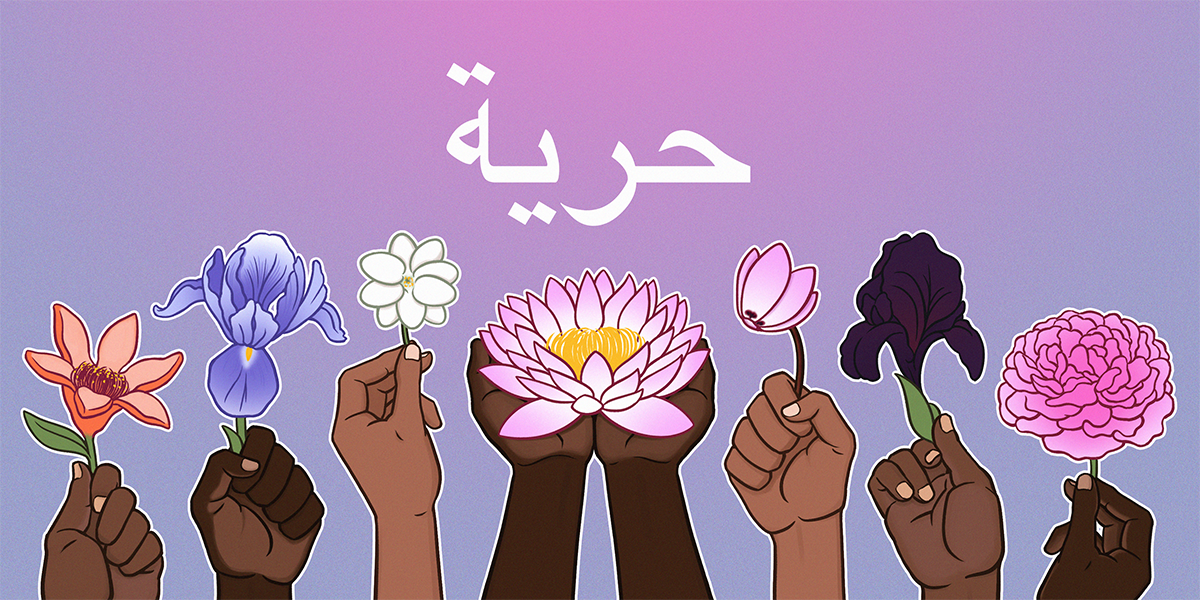
Before 2011, the phrase "digital rights" was hardly common. Open-source advocates, hacker communities, and organizations like the Electronic Frontier Foundation had been working on digital freedoms for decades, but it took the Arab Spring to bring these issues into the mainstream. The uprisings forced a global conversation about privacy, censorship, and access. As Reem Almasri, a senior researcher and digital sovereignty consultant, notes: "The term emerged around the Arab Spring when the internet was still fairly unregulated, and we were trying to force governments to treat it as a fundamental right, like water or electricity."
3. Pioneering Organizations: From Nawaat to SMEX
In 2011, only a handful of groups focused on digital rights in the MENA region. Nawaat, born from the Tunisian diaspora under Ben Ali's regime, was one. The Arab Digital Expression Foundation promoted creative tech use, while SMEX—founded by Mohamad Najem in 2008—initially taught journalists about social media. Over time, these organizations evolved into powerful defenders of online freedoms. Today, dozens of similar groups operate across the region, working on everything from encryption to data protection, and they continue to shape policy and public awareness.
4. From Social Media Cheerleading to Infrastructure Scrutiny
Mohamad Najem recalls that in the early days, "Nobody gave social media a lot of attention in our region." SMEX's approach was positive: democratizing information sharing and amplifying civil society. But after the Arab Spring wave, the organization shifted focus. "Between 2012 and 2013, we started looking at the infrastructure of the internet—how freedom of expression and privacy were shaped by cables, protocols, and corporate power." This pivot marked a critical evolution in the movement, moving beyond user behavior to the structural underpinnings of digital life.
5. Digital Rights as an Extension of Human Rights
The early narrative treated digital rights as a separate domain, but activists quickly realized they were inseparable from economic, political, and social justice. Almasri explains: "The need to converge digital rights to everyday rights—and to connect it to geopolitics—has started to be discussed." This holistic view means that fighting for internet access also means fighting for labor rights, gender equality, and democratic governance. Digital rights can no longer be siloed; they are woven into the fabric of human dignity and must be tackled as part of broader struggles.
6. The Geopolitical Dimension Becomes Unavoidable
Digital rights don't exist in a vacuum. The rise of surveillance capitalism, foreign interference, and cross-border data flows has linked internet governance to international relations. For MENA activists, this means contending with both local autocrats and global tech giants. The region's geopolitics—wars, sanctions, and power shifts—directly impact online freedoms. Understanding digital rights today requires a map of who controls the cables, servers, and laws that shape the internet—a reality that forces activists to think beyond their national borders.

7. Diaspora Communities: A Lifeline of Expertise
Many of the early digital rights organizations were founded or sustained by diaspora communities. Nawaat emerged from Tunisians abroad, bringing technical skills and international solidarity. These cross-border networks provided resources, coding expertise, and advocacy that were scarce under repressive regimes. The diaspora also helped raise awareness about crackdowns and connected local movements to global campaigns. Their role remains vital, as exiled activists continue to fight for change from afar, using digital tools to bridge distances and maintain pressure on home governments.
8. Governments Begin to Recognize Digital Rights
Pressure from civil society has forced some governments to formally address digital rights—though often reluctantly. In the wake of the Arab Spring, countries like Tunisia included internet freedom in their new constitutions. Others have adopted data protection laws or taken steps to decriminalize online expression. Yet progress is uneven, and many states have simultaneously tightened surveillance and censorship. The recognition, however symbolic, has provided activists with legal footholds—but the battle to turn paper rights into lived realities continues.
9. The Challenges That Remain
Despite gains, the movement faces formidable obstacles. Governments are more sophisticated in their repression, using malware, disinformation, and strategic lawsuits. Tech companies have become more opaque, and algorithms can amplify hate or suppress dissent. Funding for digital rights work is scarce and often precarious. Moreover, the gap between the global north and south in terms of internet governance and infrastructure leaves MENA activists at a disadvantage. These challenges demand innovative strategies and stronger alliances across sectors.
10. The Road Ahead: Collective Action in a Digital Age
The story of digital rights after the Arab Spring is one of maturation—from naive hope to strategic resilience. The movement has learned that defending the internet means engaging with politics, economics, and law. It requires a diverse coalition: coders, lawyers, journalists, and everyday users. As tools evolve—AI, encryption, blockchain—the principles remain the same: dignity, privacy, and freedom of expression must be protected online just as they are offline. The work is far from over, but the blueprint for collective action has been drawn.
The digital hopes of 2011 may have been met with sobering realities, but they also gave rise to a committed, sophisticated movement. From the streets of Tunis to the halls of global internet governance forums, the fight for digital rights continues. Understanding these ten insights helps us appreciate how far we've come—and reminds us that preserving an open internet requires constant vigilance and solidarity.