The Canvas Cyberattack: 8 Critical Facts Every Student and Educator Must Know
The recent cyberattack on Canvas, a dominant education technology platform, has sent shockwaves through schools and universities nationwide. This incident, orchestrated by the cybercrime group ShinyHunters, involved a data breach followed by a defacement of the login page, forcing Instructure (Canvas's parent company) to take the platform offline temporarily. While classes were disrupted and sensitive information was exposed, the situation is complex. Below, we break down eight essential points to help you understand what happened, what data was compromised, and what it means for the future of digital education. Whether you're a student stressing over finals or an administrator managing security, these facts will guide you through the chaos.
1. The Attack Unfolded in Two Phases: Data Breach Then Defacement
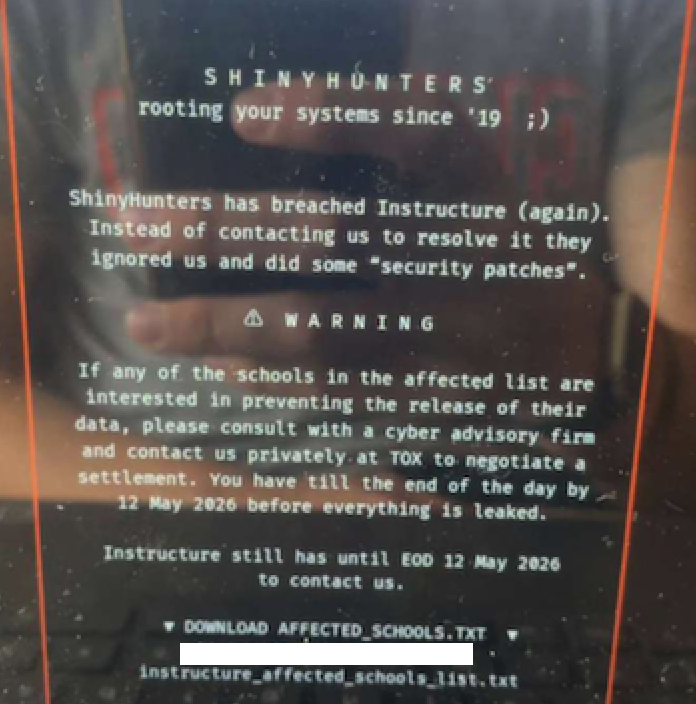
The incident began with a data breach earlier in the week, which ShinyHunters claimed responsibility for, threatening to leak stolen data unless a ransom was paid. Then, on May 7, the cybercriminals defaced Canvas's login page, replacing it with a ransom demand. This dual-phase attack disrupted coursework and exams across thousands of institutions. Instructure initially contained the breach but later took the platform offline after the defacement, citing scheduled maintenance to mask the security emergency.

2. ShinyHunters: The Group Behind the Extortion
ShinyHunters is a known cybercrime group infamous for targeting educational institutions and tech platforms. They claimed to have stolen data from 275 million students and faculty across nearly 9,000 schools. Their modus operandi involves exfiltrating databases and then demanding ransom to prevent public leaks. In this case, they extended the initial payment deadline from May 6 to May 12, suggesting a willingness to negotiate but also increasing pressure on Instructure and affected schools.
3. What Data Was Actually Stolen? (And What Was Not)
According to Instructure's official statement on May 6, the breach exposed certain identifying information: names, email addresses, student ID numbers, and user messages. Crucially, the company found no evidence that more sensitive data like passwords, dates of birth, government IDs, or financial information were compromised. ShinyHunters claims they also possess several billion private messages between students and teachers, along with phone numbers and addresses. While this is alarming, the lack of financial data reduces the risk of direct monetary theft.
4. The Defacement Message Urged Schools to Pay Ransom
The extortion message that replaced the usual Canvas login page instructed affected schools to negotiate their own ransom payments to prevent data publication. This tactic is unusual, as it shifts the burden from Instructure to individual institutions. The message warned that regardless of whether Instructure paid, the data would be released unless schools directly paid up. This created confusion and panic among administrators, many of whom had no prior experience with such demands.
5. The Outage Couldn't Have Come at a Worse Time
Many schools and universities were in the middle of final exams when Canvas went offline. The disruption forced faculty to scramble for alternative assessment methods, and students faced delays in submitting assignments or accessing grades. For Instructure, this timing is especially damaging: a prolonged outage during a critical academic period could erode trust and push institutions toward competing platforms. The company's reputation is at stake, and quick recovery is essential.
6. Instructure's Response: Partial Containment Followed by Full Shutdown
After the initial breach, Instructure claimed the incident was contained and that Canvas remained fully operational. However, the defacement on May 7 forced a different response: they pulled the platform entirely and replaced the login page with a maintenance notice. On their status page, they stated, "We anticipate being up soon, and will provide updates as soon as possible." This reactive approach has drawn criticism for being slow and opaque, leaving users in the dark about the true extent of the problem.
7. What Schools and Students Should Do Now
For affected institutions, the priority is to secure remaining systems, reset passwords (even if passwords weren't compromised), and communicate clearly with students and parents. Students should monitor accounts for phishing attempts, as ShinyHunters may use stolen email addresses for future attacks. It's also wise to change passwords on any accounts that shared the same credentials as Canvas. Schools should consider implementing multi-factor authentication and reviewing their incident response plans.
8. Long-Term Implications for EdTech Security
This breach highlights the vulnerability of centralized education platforms used by millions. As schools increasingly rely on digital tools, cybercriminals see them as lucrative targets. The Canvas incident may accelerate investment in cybersecurity measures, such as encryption, regular audits, and better access controls. It also raises questions about data ownership and the responsibilities of third-party vendors. Moving forward, institutions may demand stricter security guarantees from edtech providers, and students may become more cautious about sharing personal information online.
Conclusion: The Canvas breach serves as a stark reminder that cyber threats can disrupt the very fabric of education. While the immediate crisis appears to be contained, the aftermath will linger for weeks as schools recover and investigate. Students and educators must stay vigilant, and companies like Instructure must rebuild trust through transparency and improved security. In an interconnected world, the safety of our digital classrooms depends on proactive defense—not just reactive repairs.